





Auwin Australia Login And First Session
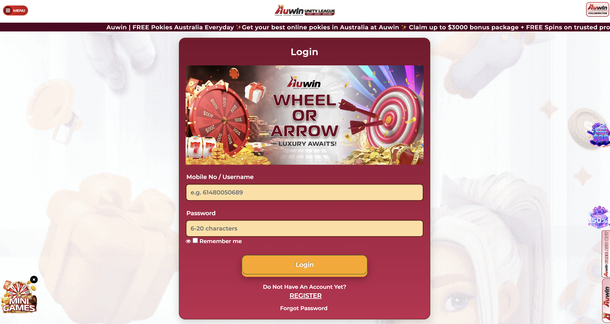
The first thing many adult users in Australia want is not a dramatic promise. They want a clean route into the account area, a readable lobby, and settings that do not feel buried under noise. That is where a platform starts earning trust. Not with banners. With structure.
Say you open the platform after work on a phone with ten minutes to spare. You are not ready to play right away. You just want to see how entry works, how the menu behaves, and whether the profile area looks stable. In that short window, a lot becomes obvious. If the path from homepage to account to lobby feels direct, the whole service already feels lighter.
Auwin works best when approached like a practical tool rather than a spectacle. For users in Australia, that means adult access, account consistency, and ordinary control over deposits, limits, and session time, all within applicable rules. If those basics hold, everything else becomes easier to judge.
Why Entry Flow Matters On A Busy Day
You can tell a lot from the first two minutes. If you tap in during a coffee break and the platform lets you move from sign-in to the game area without confusion, that matters more than any flashy headline. People remember friction. They also remember when there is none.
What Returning Users Notice First
Returning players often look for different things than new ones. They care about balance visibility, recent activity, and how quickly they can resume a short session. If you reopen the account on a Tuesday evening and can reach your usual section in a few taps, the platform feels calmer and more dependable.
Registration Basics Before You Reach The Lobby
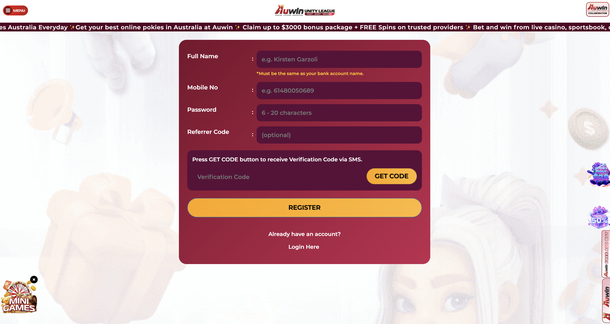
Signing up should feel clear, not theatrical. A good onboarding sequence asks for what it needs, explains what comes next, and leaves the user with a profile that can actually be managed later. That sounds simple. A lot of platforms still get it wrong.
If you create an account late at night while half distracted, messy choices happen fast. A nickname typed one way, a payment method added another way, a profile detail skipped because you plan to fix it later. Then later arrives, and the account no longer feels neat. Better to set it up carefully from the start.
For Auwin, the strongest habit is consistency. Use one device for the first setup if possible. Enter details the same way you would expect them to appear in later checks. Keep notes if you need them. Small discipline early saves time once money and verification enter the picture.
From Email Check To Profile Setup
Think of the first setup as groundwork. You enter the account, confirm the basic details, review the profile page, and only then look at the cashier or game lobby. If you rush all of that at once, the session feels looser than it should.
Another small scenario helps here. You finish registration on a tablet, then try to continue on a phone five minutes later, then add a payment method from a laptop after that. Nothing sounds extreme, yet the account now carries three different contexts before the first real session has even begun. Cleaner setup, cleaner experience.
Game Categories That Shape The Evening
A big casino lobby can feel exciting for thirty seconds and exhausting right after that. What matters is not the number of tiles on the screen. It is whether the categories make sense once a user starts moving through them. Reels, live tables, table games, quick-play sections, featured titles, recent activity - each part should answer a real need.
You open the lobby after dinner and know roughly what you want. Maybe a few fast spins first, then a slower table session, then out. If the categories support that flow, the night feels controlled. If everything blends into one long wall of icons, you end up scrolling instead of choosing.
That difference matters more in 2026 because user patience is shorter. People compare platforms against banking apps, streaming apps, food delivery apps - tools that have trained them to expect fast sorting and obvious menus. A casino platform that ignores that shift feels old the moment it loads.
Auwin becomes more useful when you stop asking, "How much is here?" and start asking, "How fast can I find my kind of session?" That is the better question. It reveals whether the lobby supports short visits, repeat visits, and deliberate choices rather than endless wandering.
Picture a Sunday afternoon check-in. You are not chasing novelty. You want one familiar category, maybe one new title, and a clear return path back to the main menu. If the platform gives you that without clutter, the game mix starts feeling broad in the right way.
Mobile Play, Cashier Logic, And Quick Checks
Mobile use is no longer a side feature. For many people, it is the default route. That means the layout has to do more than shrink. Buttons need room. Menus need logic. The profile and cashier sections have to stay readable on a smaller screen, not just technically available.
Say you check the account while standing in line for lunch. You are not ready for a long session. You want a quick balance look, maybe a glance at recent activity, maybe a fast return to the lobby. If the platform can support that without mis-taps or hidden panels, mobile starts feeling like a true primary format rather than a backup.
Inside this part of the experience, the cashier becomes the real test. A game tile can be pretty and still mean nothing. The money area is where users decide whether the service feels orderly or risky. Clear labels, visible history, simple steps, and easy access to limits matter far more than decoration.
Area To Check | What A User Should Look For | Why It Matters |
|---|---|---|
Balance Panel | Current funds and recent changes | Helps avoid guesswork |
Cashier Menu | Deposit and withdrawal paths | Reduces wrong clicks |
Activity History | Dates, statuses, and amounts | Makes tracking easier |
Limits Section | Session, spend, and timeout tools | Supports control |
Help Access | Clear support route from mobile | Saves time under pressure |
What To Review Before A Deposit
Slow down for thirty seconds. That tiny pause can save a lot. If you are about to add funds, check the amount, confirm the selected method, and make sure the account details still look consistent. A quick review feels boring, and boring is good in a cashier. Boring means stable.
How Small Habits Reduce Friction
People often create their own problems by changing too much at once. One method today, another tomorrow, a different device the next night, then confusion when a review step appears. If you keep things steady - same device, same payment route, same detail format - the whole process tends to feel smoother.
When Mobile Sessions Feel Better Than Desktop
There are evenings when mobile simply fits real life better. You are on the couch, half watching something else, and want a short, contained session. On those nights, a clean phone layout can feel more natural than opening a full desktop view and getting pulled into a longer visit than you planned.
Security, Support, And Daily Boundaries
Security matters most when it is quiet. Strong account habits do not announce themselves. They show up in consistent sign-ins, careful device use, and a profile that is not constantly changing shape. The calmer the account history looks, the less stressful small review steps tend to feel.
Now picture a minor problem. A payment status looks delayed. A document check seems unclear. A session ends strangely and you want reassurance. This is where support becomes part of the product, not a side feature. Fast access to help is good, but clear access is even better. You want to know where to go before you are already annoyed.
And there is another layer to this. Personal boundaries. Deposit controls, time reminders, short breaks, longer cooling-off options - these are not decorative lines in a settings menu. They are practical tools for adult users who want the account to stay manageable from week to week, not only during ideal moods.
If you notice frustration building, the best move is not heroic. It is ordinary. Step away. Set a pause. Tighten a limit. Return later if the session still makes sense. The platform should help with that, and the user should not wait for a bad moment to discover those tools exist.
How Support Works Best When You Stay Precise
A clear message beats a dramatic one. If something goes wrong at 11:40 p.m., send the basics: what happened, what device you used, what action you took, and what you saw on screen. Think of two users writing at the same time. One sends anger. One sends structure. You already know who gets the faster path to an answer.
Account Controls That Matter In Real Life
The smartest time to set limits is when nothing feels urgent. You open the settings on a calm afternoon, not after a rough run. You decide what a normal session should look like, what spend feels acceptable, and how long a break should be if the mood turns. Those choices are easier when emotion is not steering.
There is a small daily-life scenario here too. You log in after a long shift, tell yourself it will be twenty minutes, then feel the session stretching. If the limit tools were set earlier, the platform can interrupt that slide before it becomes the whole evening. That is what useful control looks like in practice.
What Makes Auwin Worth A Repeat Visit
Repeat use is the real standard. Anyone can enjoy a first visit. The real question is what happens on the fifth, the tenth, the quiet fifteen-minute session when there is no novelty left. If the platform still feels readable, the account still feels stable, and the path to games and settings still feels quick, then the service has substance.
Auwin is easiest to rate when you think like a regular user in Australia rather than a one-night visitor. Ask whether the platform supports short sessions, mobile checks, tidy payment habits, and clean exits. Ask whether it respects adult control. Ask whether the support path and settings are easy to reach before trouble starts. Those questions tell you more than any oversized claim on a homepage.